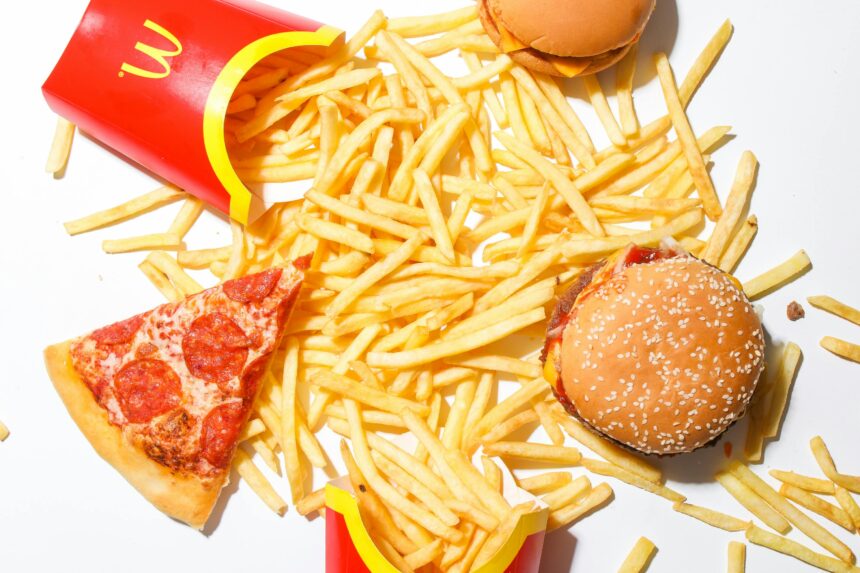
High-fat foods are widely consumed across the world due to their taste, availability, and convenience. Fried foods, fast foods, processed snacks, fatty meats, and sugary desserts are common in daily diets. While fats are an essential nutrient, excessive intake, especially unhealthy fats, can lead to serious health problems. Understanding the effects of high-fat foods on health is important for preventing chronic diseases and protecting long-term well-being.
What Are High-Fat Foods?
High-fat foods are foods that contain large amounts of saturated fats or trans fats. Common examples include fried chicken, burgers, pizza, processed meats, butter, margarine, pastries, and packaged snacks. These fats differ from the healthy fats found in foods such as fish, nuts, seeds, and olive oil. Regular intake of unhealthy fats is the main cause of many diet-related diseases
Effects of High-Fat Foods on Heart Health
One of the most dangerous effects of high-fat foods on health is their impact on the heart. Diets high in saturated and trans fats increase low-density lipoprotein (LDL), also known as bad cholesterol. High LDL levels cause fat deposits to build up inside blood vessels, making arteries narrow and hard.
This condition, called atherosclerosis, reduces blood flow and increases the risk of:
- Heart attack
- High blood pressure
- Stroke
- Heart failure
Over time, the heart must work harder to pump blood, leading to long-term cardiovascular problems. People who regularly eat high-fat foods are more likely to develop heart disease at a younger age.
Effects of High-Fat Foods on Liver Health
The liver plays a central role in fat metabolism. When too much fat is consumed, the liver cannot process it efficiently. As a result, fat accumulates inside liver cells, leading to non-alcoholic fatty liver disease (NAFLD). This is one of the most overlooked effects of high-fat foods on health.
Fatty liver disease may not cause symptoms in the early stages, but over time it can lead to:
- Liver inflammation
- Liver fibrosis
- Cirrhosis
- Liver failure
A fatty liver also affects blood sugar regulation and increases the risk of insulin resistance and type 2 diabetes.
Effects of High-Fat Foods on the Whole Body
The effects of high-fat foods on health are not limited to the heart and liver. The entire body is affected when unhealthy fats are consumed regularly.
Weight Gain and Obesity
High-fat foods are calorie-dense and easy to overeat. Excess calories are stored as body fat, leading to overweight and obesity. Obesity increases the risk of diabetes, joint pain, breathing problems, and reduced mobility
Increased Risk of Diabetes
High-fat diets interfere with insulin function, making it harder for the body to control blood sugar levels. This increases the risk of insulin resistance and type 2 diabetes.
Digestive and Metabolic Problems
Fatty foods slow digestion and may cause bloating, acid reflux, constipation, and stomach discomfort. They also disrupt metabolism, leading to low energy levels and fatigue.
Impact on Brain and Mental Health
Some studies suggest that long-term high-fat diets may affect brain function, causing poor concentration, memory problems, and mood changes.
How to Reduce the Effects of High-Fat Foods on Health
Reducing the negative effects of high-fat foods on health does not mean eliminating fats completely. The key is choosing healthier fats and maintaining balance.
Helpful tips include:
- Limit fried and processed foods
- Choose lean meats and low-fat dairy
- Eat more fruits, vegetables, and whole grains
- Use healthy fats like olive oil and nuts
- Exercise regularly to improve metabolism
Small lifestyle changes can significantly reduce the risk of heart disease, liver problems, and obesity.
Conclusion
The effects of high-fat foods on health are serious and long-lasting. Excessive consumption of unhealthy fats damages the heart, weakens liver function, and affects the entire body. From heart disease and fatty liver to obesity and diabetes, the risks are clear. While fats are necessary in small amounts, choosing healthier options and maintaining a balanced diet is essential. Making informed food choices today can protect your heart, liver, and overall health for the future.