introduction
Heart Disease and Hypertension are among the leading causes of illness and death worldwide. These two conditions are closely linked and often occur together. When high blood pressure is not well controlled, it damages blood vessels and puts extra strain on the heart, increasing the risk of heart attack, stroke, kidney failure, and other serious complications.
The encouraging news is that many of these risks can be reduced. With the right lifestyle changes, people living with Heart Disease and Hypertension can improve their quality of life and significantly lower the chance of life-threatening events.
This guide explains practical, proven lifestyle changes that can truly save your life.
Understanding Heart Disease and Hypertension
Heart Disease and Hypertension affect how your heart and blood vessels function. Hypertension, or high blood pressure, means that blood flows through your arteries with too much force. Over time, this pressure damages the artery walls and makes the heart work harder than normal.
If left untreated, Heart Disease and Hypertension can lead to:
- Heart attack
- Stroke
- Heart failure
- Kidney damage
- Vision loss
- Early death
Managing both conditions together is essential for long-term health.
Follow a Heart-Healthy Diet
Diet plays a central role in managing Heart Disease and Hypertension. What you eat every day directly affects your blood pressure, cholesterol levels, and body weight.
Foods to eat more often:
- Fresh fruits and vegetables
- Whole grains such as oats and brown rice
- Lean protein like fish, chicken, beans, and lentils
- Healthy fats from olive oil, avocado, and nuts
Foods to limit or avoid:
- Salt and salty foods
- Fried and fast foods
- Processed and packaged snacks
- Sugary drinks and sweets
- Fatty and red meats
Reducing salt intake is especially important. Excess salt causes the body to retain water, which raises blood pressure and worsens Heart Disease and Hypertension.
Maintain a Healthy Body Weight
Excess body weight increases the workload on the heart and raises blood pressure. For people with Heart Disease and Hypertension, even modest weight loss can lead to major health improvements.
Benefits of maintaining a healthy weight include:
- Lower blood pressure
- Improved cholesterol levels
- Reduced risk of heart attack and stroke
- Better energy levels
Healthy weight management should focus on balanced eating and regular physical activity rather than extreme dieting.
Stay Physically Active
Regular exercise strengthens the heart muscle and improves blood circulation. Physical activity also helps control weight, reduce stress, and lower blood pressure.
Recommended activities for people with Heart Disease and Hypertension include:
- Brisk walking
- Cycling
- Swimming
- Light jogging
- Stretching or yoga
Aim for at least 150 minutes of moderate-intensity exercise per week, such as 30 minutes a day for five days. Always consult your healthcare provider before starting a new exercise program.
Quit Smoking Completely
Smoking is extremely dangerous for people with Heart Disease and Hypertension. It damages blood vessels, raises blood pressure, and reduces oxygen supply to the heart.
Quitting smoking:
- Lowers blood pressure
- Improves circulation
- Reduces the risk of heart attack and stroke
- Improves lung and heart function
No matter how long you have smoked, quitting brings immediate and long-term benefits.
Limit or Avoid Alcohol
Alcohol can raise blood pressure and weaken the heart muscle when consumed in excess. For individuals with Heart Disease and Hypertension, alcohol should be limited or avoided entirely.
If you choose to drink, do so only in small amounts and follow your doctor’s guidance. In many cases, avoiding alcohol is the safest option.
Take Medications Exactly as Prescribed
Lifestyle changes are powerful, but many people with Heart Disease and Hypertension also need medication to control their condition.
Never:
- Skip doses
- Stop medication suddenly
- Change dosage without medical advice
Medications help:
- Control blood pressure
- Lower cholesterol
- Prevent blood clots
- Protect the heart and blood vessels
Taking your medication consistently can prevent serious complications.
Manage Stress Effectively
Chronic stress raises blood pressure and places extra strain on the heart. Stress management is an important but often overlooked part of controlling Heart Disease and Hypertension.
Healthy ways to manage stress include:
- Deep breathing exercises
- Prayer or meditation
- Spending time with family and friends
- Getting enough rest
- Limiting exposure to stressful situations
A calm mind supports a healthy heart.
Monitor Blood Pressure Regularly
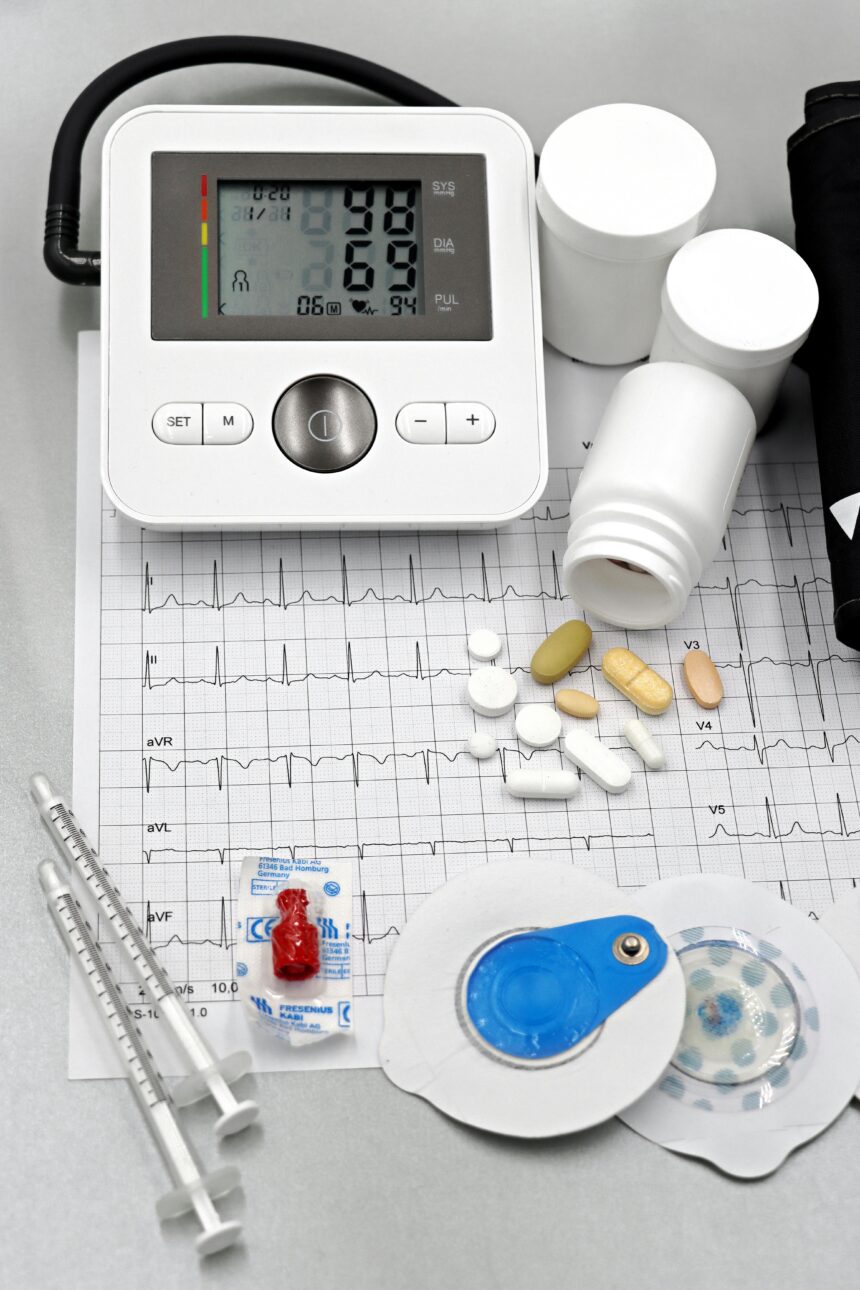
Checking your blood pressure at home helps you understand how well your condition is controlled. Regular monitoring allows early detection of problems and helps guide treatment decisions.
Keep a record of your readings and share them with your healthcare provider during visits.
Get Enough Quality Sleep
Poor sleep can worsen Heart Disease and Hypertension by increasing stress hormones and blood pressure.
To improve sleep:
- Aim for 7–8 hours per night
- Avoid caffeine late in the day
- Maintain a regular sleep schedule
- Create a quiet and comfortable sleep environment
Quality sleep is essential for heart recovery and overall health.
Attend Regular Medical Checkups
Routine medical follow-ups are critical for people with Heart Disease and Hypertension. Regular checkups allow early detection of complications and ensure treatment remains effective.
Never wait for severe symptoms before seeing a healthcare provider.
Conclusion
Heart Disease and Hypertension are serious conditions, but they are not a life sentence. With the right lifestyle changes, proper medication use, and regular medical care, you can live a longer, healthier, and more active life